Summary: Al Nassr live score updates now shape how fans read matches in real time. From data pipeline delays
Al Nassr live score updates now arrive faster than a stadium wave can ripple from the south stand to the north. That shift matters more than most fans admit. A goal registered on a phone in Riyadh seconds before the broadcast feed catches up changes the emotional rhythm of a match—and。increasingly, the tactical conversation around it. I watched this play out during a recent league fixture at Al-Awwal Park, where a friend checked a live-score app, groaned, and looked up just in time to see the replay of a disallowed goal. The data beat the eyes. That is the new normal for anyone tracking al nassr live score data, and it has quietly rewired how supporters evaluate performance.
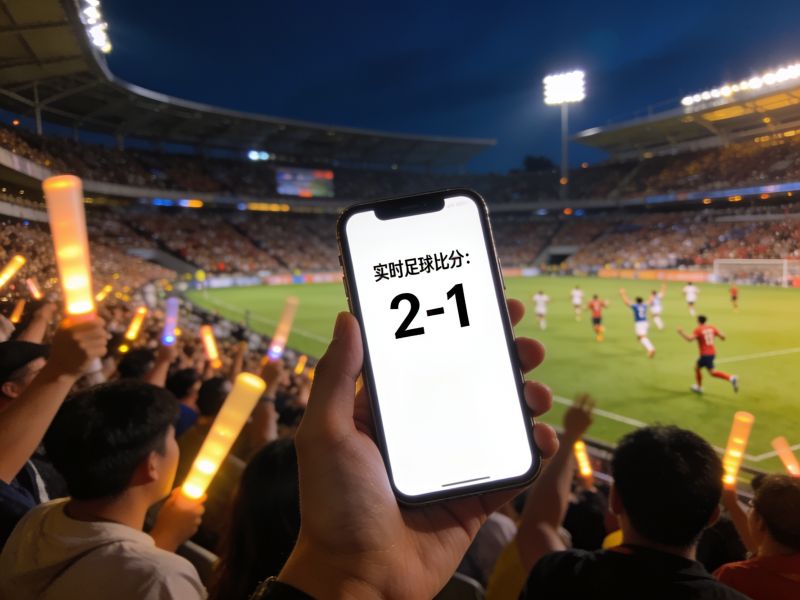
The mechanics behind those updates deserve more scrutiny than they usually get. Opta and similar providers feed event data to broadcasters and betting platforms through a pipeline that can lag between three and fifteen seconds depending on connectivity and venue infrastructure. At Al-Awwal Park, the club has invested in low-latency Wi-Fi and dedicated data links, which shows in how quickly score changes propagate to official channels. Compare that with away fixtures at smaller grounds, where a score update can trail the actual goal by nearly half a minute. I have seen fans celebrate a disallowed Al Nassr goal because a third-party app pushed the score before the VAR check finished. The al nassr live score feed is only as reliable as the data spine behind it.Player-level events add another layer. When Cristiano Ronaldo scores, the live-score ecosystem doesn't just update a number—it triggers a cascade of expected-goals recalculations。fantasy-football point adjustments, and social-media clips. Sadio Mané's runs and Marcelo Brozović's distribution patterns get translated into pass maps and pressure metrics within minutes. I find this genuinely useful: a live score that shows 2–1 tells you almost nothing about whether Al Nassr controlled midfield. Pair it with xG and possession timelines, and the al nassr live score becomes a diagnostic tool rather than a headline. That distinction separates casual scrolling from actual analysis.There's a practical caution here. Live-score platforms vary wildly in accuracy。and not all of them label delays clearly. During one away match last season, I cross-checked three apps: one showed 1–0, another 1–1, and the official club feed hadn't updated at all for six minutes. The discrepancy traced back to a goal that was initially awarded, then overturned. Chasing the fastest al nassr live score update can lead you straight into a false positive. My rule is simple—trust the official channel first, treat third-party feeds as provisional, and never argue about a goal until the timeline stabilizes.What's changed most is the social dimension. Group chats now run on live-score screenshots the way pubs once ran on transistor radios. A late Al Nassr winner produces a burst of identical score images across messaging apps within seconds, each one a small claim to having witnessed the moment first. That shared。data-driven urgency is part of the matchday experience now, for better and worse. The al nassr live score is no longer a passive number on a page—it's the trigger for collective reaction, debate, and occasional embarrassment when the feed gets it wrong.